The Real Differences Between Power Washing and Pressure Wash
If you are comparing exterior cleaning services in Lismore, you will often see “power washing” and “pressure washing” used interchangeably. Technically, though, there is one important difference: power washing uses heated water, while pressure washing typically uses unheated water. Both use pressurised water to remove dirt, but the right choice depends on the surface, the contamination and how wastewater will be managed.
How Power Washing Works
Power washing combines water pressure with heat. Heated water helps loosen grease, oil and stubborn grime, making it useful for suitable concrete surfaces, workshop floors and some commercial cleaning jobs. Heat can reduce the effort needed to remove oily deposits, although detergents and wastewater recovery may still be necessary.

Hotter does not automatically mean better. Heat can damage sensitive coatings, seals and other materials. A cleaner should check the surface condition and manufacturer’s guidance before choosing this method.
How Pressure Washing Works
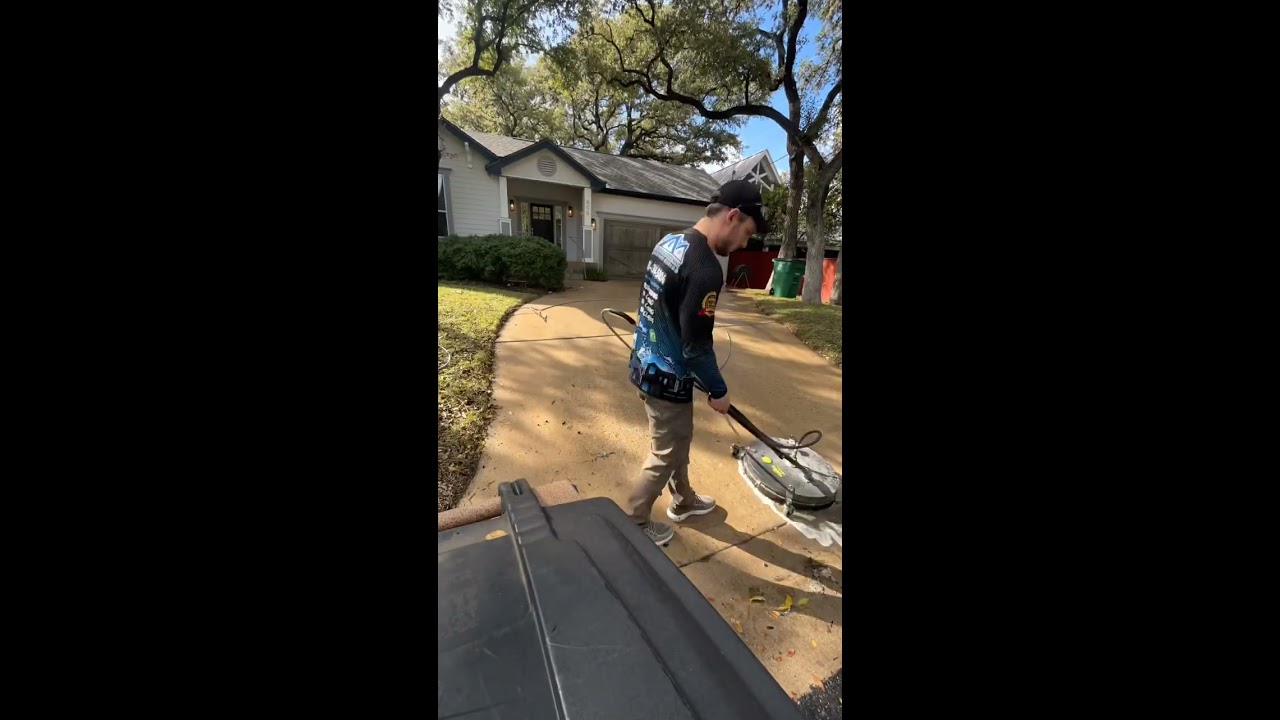
Pressure washing generally uses unheated water delivered through a pump and nozzle. It is commonly used to clean suitable driveways, paths, paving and other hard exterior surfaces.
Cleaning performance depends on more than pressure alone. Water flow, nozzle selection, working distance and cleaning products all affect the result. Excessive pressure or a narrow spray held too close can etch concrete, remove jointing sand, splinter timber or strip paint.
Which Method Suits Lismore Properties?
Lismore’s humid conditions and periods of heavy rainfall encourage algae, mould and slippery organic growth on shaded outdoor surfaces. Neither heated water nor high pressure is automatically the best answer: effective cleaning often requires an appropriate treatment followed by controlled rinsing.
- Concrete paths and driveways: Pressure washing is often suitable for general dirt and surface growth, provided the concrete is sound and sufficiently cured.
- Greasy hard surfaces: Hot-water power washing may help remove oily contamination when paired with suitable degreasers and runoff collection.
- Painted walls, weatherboards and delicate finishes: Low-pressure cleaning or soft washing may be safer than either aggressive method.
- Timber decks and older masonry: Use a material-specific approach and test a discreet area before cleaning the whole surface.
Where Does Soft Washing Fit In?
Soft washing uses low-pressure application of suitable cleaning solutions, followed by a controlled rinse. It can be useful for surfaces where forceful spraying risks damage or water entry. Products must be compatible https://simonbzme845.image-perth.org/complete-guide-to-removing-post-flood-mud-in-lismore with the material, used according to label directions and managed carefully around plants, pets and drainage.
Safety and Runoff Matter
Before cleaning, move vehicles and outdoor furniture, protect electrical fittings and identify where runoff will travel. Do not direct a high-pressure jet at people, animals, window seals, vents or electrical equipment.
Do not pressure wash suspected asbestos-containing materials. Older properties may contain asbestos cement sheeting, and disturbing it can release hazardous fibres. Arrange an assessment if the material is uncertain.
Keep detergent, oil, sediment and contaminated wash water out of stormwater drains and waterways. Ask your cleaner how they will contain and collect wastewater, and check current Lismore City Council and NSW EPA guidance where relevant. Following flooding, potentially contaminated deposits require additional precautions rather than ordinary exterior cleaning alone.
What to Ask Before Booking
Ask whether the service uses heated or unheated water, why the proposed method suits your surfaces, and whether stain treatment and wastewater collection are included. Confirm insurance and request a test patch on sensitive finishes. Also check for any current water restrictions before work begins.
The best choice is not simply the hottest water or the highest pressure. A suitable cleaning method removes contamination while protecting your property and the surrounding environment.
Lismore Pressure Cleaning
(02) 6617 2969